Most people know they should drink more water, yet many struggle to stay consistently hydrated. Busy schedules, work commitments, travel, and daily distractions often make hydration an afterthought. The result can be headaches, tiredness, reduced concentration, and lower energy.
Common questions include: How can I remember to drink more water? Does carrying a water bottle help? What are simple ways to stay hydrated throughout the day? How much water do I actually need?
The good news is that hydration does not require constant reminders or complicated tracking apps. Small lifestyle habits can make drinking enough water feel automatic. Building hydration into existing routines makes it easier to maintain throughout the day.
Why Hydration Matters More Than Many People Realise
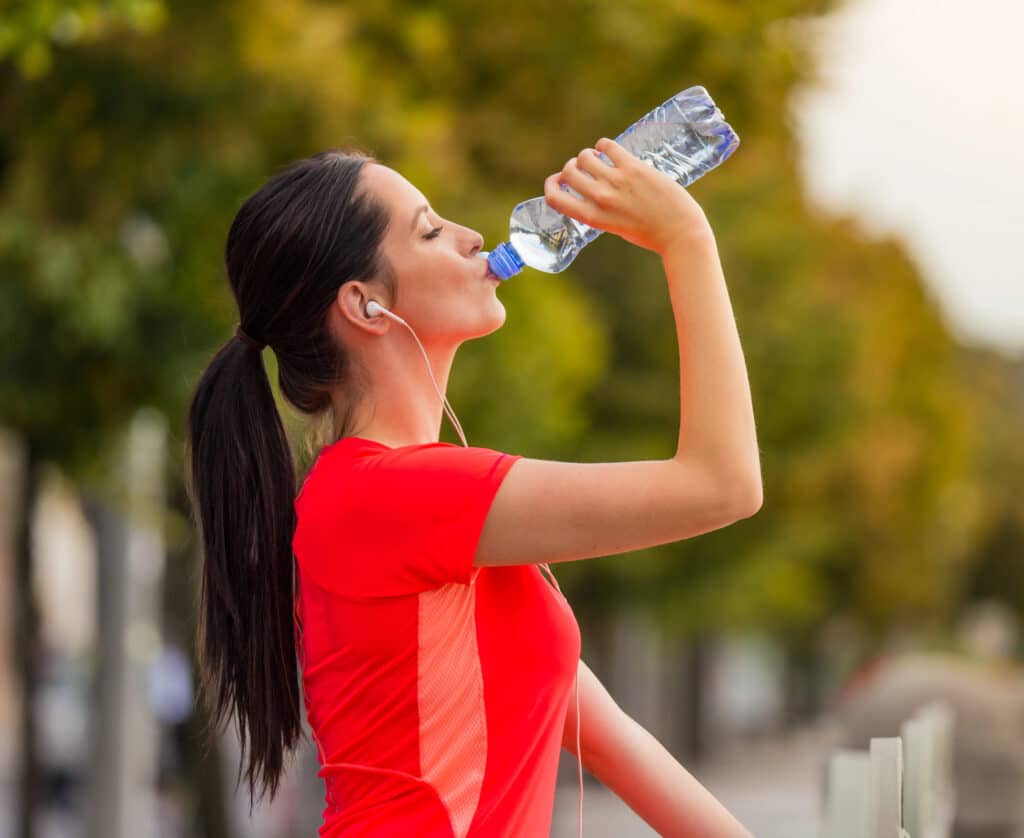
Water supports almost every bodily function. It helps regulate temperature, transport nutrients, support digestion, and maintain healthy physical and mental performance.
Even mild dehydration can affect how people feel and function.
Common signs of insufficient hydration include:
- Dry mouth
- Fatigue
- Headaches
- Difficulty concentrating
- Dizziness
- Dark-coloured urine
Many people assume they are tired or hungry when they are actually dehydrated. Developing consistent hydration habits can help prevent these issues from occurring.
Keep a Water Bottle Within Easy Reach
One of the simplest ways to drink more water is to keep it accessible.
Research and everyday experience both suggest that people are more likely to drink water when it is visible and readily available. A reusable water bottle can make staying hydrated more convenient throughout the day. Ocean Bottle offers reusable water bottles designed for daily use, making it easier to carry water whether you are commuting, working, travelling, or exercising.
The less effort it takes to access water, the more likely people are to drink it regularly.
Keeping a bottle nearby at work, in the car, or in a bag removes many of the barriers to staying hydrated.
Link Hydration to Existing Daily Habits
One effective strategy is habit stacking. This involves linking a new behaviour to an activity that already happens daily.
For example:
- Drink water after brushing your teeth
- Have a glass of water with breakfast
- Take a few sips before checking your emails
- Drink water before each meal
- Refill your bottle at lunch
These small triggers help make hydration part of an established routine rather than something that demands constant thought.
Over time, the behaviour becomes automatic.
Start the Day With Water
Many people start the day with coffee or tea. While these beverages can contribute to fluid intake, drinking water first thing can be beneficial after several hours of sleep.
Drinking a glass of water shortly after waking helps replenish fluids lost overnight.
This habit is easy to adopt and sets a positive tone for the rest of the day.
It also provides a clear starting point for daily hydration goals.
Use Visual Cues Throughout the Day
Visual reminders can support healthy habits without relying on technology.
Simple examples include the following:
- Keeping a bottle on your desk
- Placing water beside your bed
- Carrying a bottle when leaving the house
- Keeping water visible during meetings
When water is within sight, people are more likely to take regular sips.
Small environmental changes often influence behaviour more effectively than relying on memory alone.
Make Water More Enjoyable
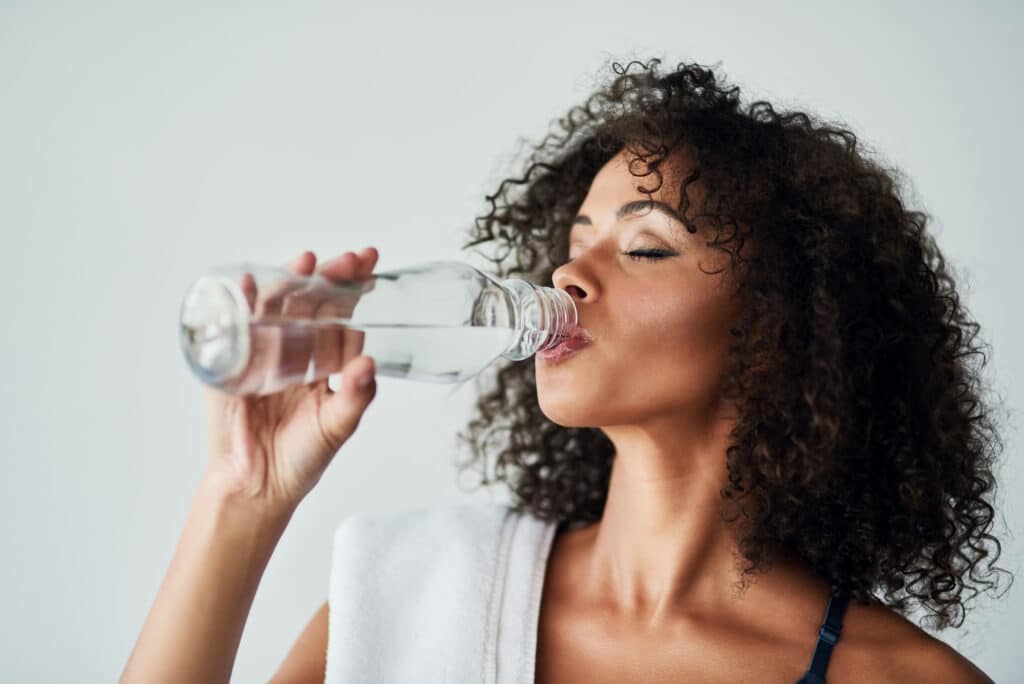
Some people struggle to drink enough water because they find it boring.
Adding natural flavour can make it more enjoyable while avoiding sugary drinks.
Popular options include:
- Lemon slices
- Lime
- Cucumber
- Mint leaves
- Fresh berries
- Orange slices
These additions provide variety without significantly altering calorie intake.
Enjoying the taste of water can encourage more consistent consumption throughout the day.
Eat Foods With High Water Content
Hydration is not limited to drinks.
Many fruits and vegetables contain substantial amounts of water and contribute to overall fluid intake.
Examples include:
- Watermelon
- Strawberries
- Cucumber
- Lettuce
- Celery
- Tomatoes
- Oranges
Including these foods in meals and snacks can naturally support hydration.
This approach is especially useful in warmer months, when fluid requirements may increase.
Build Hydration Into Work Routines
Many people spend a large part of their day at work. Workplace habits can therefore significantly affect hydration.
Simple strategies include:
Drink Water Before Meetings
This creates a regular hydration opportunity throughout the day.
Refill During Breaks
Use lunch breaks or short breaks to top up your bottle.
Keep Water on Your Desk
Convenience encourages regular consumption.
Choose Water Alongside Other Drinks
Coffee and tea can still be enjoyed, but pairing them with water helps maintain fluid intake.
These habits require little effort while supporting long-term consistency.
Pay Attention to Activity Levels
Hydration needs vary with physical activity.
Exercise, outdoor activities, and warm weather increase fluid loss through sweating.
More active people may need extra water throughout the day.
Helpful practices include:
- Drinking before exercise
- Carrying water during activities
- Rehydrating afterwards
- Monitoring thirst levels
Waiting until thirst becomes intense may indicate that dehydration has already begun.
Regular sipping throughout the day is often more effective than drinking large amounts at once.
Avoid Relying Solely on Thirst
Thirst is an important signal, but it is not always the earliest sign of dehydration.
Busy schedules can lead people to ignore or overlook thirst cues.
Establishing consistent habits helps ensure hydration remains a priority, even when attention is elsewhere.
This is particularly important during travel, work deadlines, and periods of increased activity.
Routine is often more reliable than waiting for thirst alone.
Common Mistakes That Make Hydration Harder
Many people unintentionally create barriers to good hydration.
Leaving Water Bottles at Home
Without easy access, people often choose convenience drinks or forget to drink altogether.
Drinking Large Amounts Infrequently
Spreading water intake throughout the day is generally more comfortable and sustainable.
Choosing Sugary Drinks Instead
These beverages can add unnecessary calories while encouraging less water consumption.
Ignoring Hydration During Cooler Weather
People often associate dehydration with hot weather, but fluid intake remains important throughout the year.
Recognising these habits can help people make simple adjustments.
Frequently Asked Questions
How much water should I drink each day?
Individual requirements vary based on age, activity levels, climate, and overall health. Consistent hydration throughout the day is generally more important than focusing on a specific number.
Does carrying a water bottle help people drink more water?
For many people, yes. Having water readily available increases the likelihood of regular consumption.
Can tea and coffee count towards hydration?
Yes, they contribute to fluid intake. However, water should remain a primary source of hydration.
What are the early signs of dehydration?
Common signs include thirst, headaches, dry mouth, fatigue, and difficulty concentrating.
Is it better to sip water throughout the day?
Many people find regular sipping easier and more effective than drinking large amounts infrequently.
Small Habits Improve Hydration
Staying hydrated need not involve complicated plans or constant reminders. The most effective approach is often the simplest. Keep water accessible, link hydration to existing routines, and create an environment that makes drinking water easy.
Carrying a reusable bottle, starting the day with water, eating water-rich foods, and building hydration into everyday activities can make a noticeable difference. These habits require little effort yet support energy levels, concentration, and overall well-being.
When hydration becomes part of daily life rather than another task on a to-do list, maintaining it becomes much easier. Consistency, rather than perfection, makes the biggest difference.