Choosing an aesthetic practice affects trust, comfort, and clinical results. The right office does more than offer popular treatments. It explains options with care, reviews health history, and respects how each face moves at rest and in expression.
Good providers notice anatomy, skin quality, healing risk, and personal goals before suggesting care. Those details help people recognize a practice built around judgment, safety, and long-term confidence.
Clear First Conversations

During a first visit, the best clinicians ask about prior injections, allergies, medications, and cosmetic goals before naming a treatment. Practices such as Rivkin Aesthetics illustrate why communication matters when people compare techniques, product choices, recovery times, and expected changes. A strong consultation feels calm, factual, and paced to support informed consent.
Credentials Are Easy to Verify
Training should never feel hidden. Qualified providers make licenses, board certifications, and treatment responsibilities easy to verify. Patients should know who evaluates them, who performs the procedure, and what supervision is in place. Clear credentials matter because injectables, lasers, and energy devices affect living tissue, blood vessels, nerves, pigment, and wound healing.
Consultations Feel Personal
A careful provider studies facial structure, skin thickness, muscle pull, symmetry, and volume loss. The conversation should connect goals with medical history and realistic options. Generic plans can miss important details, especially around the eyelids, lips, jawline, or pigment changes. Expert care often includes saying no when timing, anatomy, or risk makes a service unwise.
Safety Comes First
Safety begins before any needle, laser, or peel touches the skin. The team reviews allergies, pregnancy status, immune conditions, bleeding risk, and prior reactions. Rooms should be clean, products labeled, and consent documented. These steps are not extra formalities. They reduce the risk of infection, vascular injury, burns, bruising, and avoidable complications.
Results Look Natural
Good aesthetic care preserves expression, proportion, and recognizable features. Skilled clinicians consider how tissue moves during smiling, speaking, and at rest. Before-and-after photos should show balanced outcomes across different ages, skin tones, and facial shapes. A natural result usually comes from restraint, accurate placement, and respect for anatomy rather than from pursuing a dramatic change.
Pricing Is Transparent
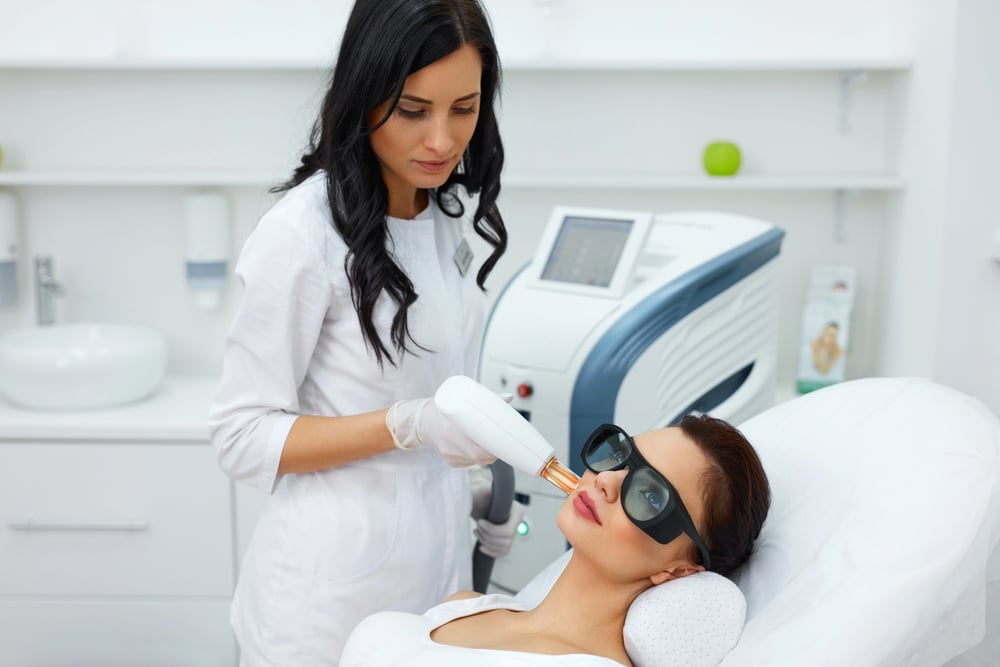
Clear fees help people plan without feeling pressured. A reliable practice explains product amounts, procedure costs, follow-up expectations, and likely maintenance requirements before treatment. Vague quotes can create stress after the visit. Ethical pricing avoids fear-based discounts, rushed packages, or surprise charges. Financial clarity is part of providing respectful patient care.
Treatment Plans Have Logic
A sound plan explains the sequence, timing, and purpose of each treatment. Some concerns respond best to gradual correction, while others need one precise session. Providers should describe likely swelling, onset, duration, and limits in plain language. More treatment is not always better. Sometimes the safest recommendation is to space out visits or treat one concern at a time.
Maintenance Is Discussed
Responsible clinics explain how long results typically last and what factors affect their duration. Metabolism, movement, sun exposure, and skin condition can all change timing. This helps people plan without expecting permanent effects.
The Team Listens Closely
Listening appears in small clinical behaviors. Staff repeat key concerns, check the patient’s comfort, and adjust the pace when hesitation appears. A good team does not dismiss pain tolerance, budget, or anxiety. People should feel heard from scheduling through aftercare. Careful listening often predicts better decisions because the plan reflects the person, not a preset menu.
Photos and Records Are Used
Accurate records protect both safety and results. Photos, consent forms, product names, lot numbers, dosage, device settings, and treatment notes help track changes over time. Documentation also supports better follow-up if swelling, asymmetry, or irritation occurs. Organized records show that care is measured, reviewed, and treated as medical work.
Aftercare Is Specific
Aftercare should match the exact service performed. Useful instructions explain activity limits, skin care, sun exposure, makeup timing, swelling patterns, and warning signs. Written guidance reduces confusion once the patient leaves. A dependable office also provides a clear contact method for concerns, especially after injectables, peels, lasers, or energy-based treatments.
Pressure Is Absent
No one should feel pushed into same-day treatment. Ethical providers allow time for questions, reflection, and second opinions. They explain benefits and risks without using urgency as a sales tactic. Calm scheduling signals respect for informed consent. It also shows confidence in clinical reasoning, rather than dependence on impulse decisions.
Reviews Show Consistency
Reviews are most useful when patterns repeat. Strong comments often mention clear explanations, clean rooms, natural outcomes, and responsive follow-up. A few mixed opinions can happen at any practice. Repeated concerns about pressure, poor communication, or rushed visits deserve attention. Consistency across many experiences carries more weight than one polished testimonial.
Patterns Matter Most
Single reviews can mislead. Repeated themes are more useful. Consistent feedback often reflects daily habits, staff culture, and the office’s approach to care after treatment.
What Truly Defines a Trustworthy Aesthetic Clinic
Finding the right aesthetic practice depends on repeated signs, not just one polished detail. Clear explanations, verified training, careful documentation, and realistic planning all point to higher standards. A good clinic protects health while supporting a natural appearance and personal timing. People should leave with useful information, not pressure. When safety, respect, and clinical judgment come together, confidence in the choice becomes much easier to build.