If you want a yard that looks healthy without turning your water bill into a horror story, your sprinkler setup matters more than most people think. A patchy lawn, soggy flower beds, and dry corners usually point to planning problems, not bad luck
. When you understand how irrigation works, you can make smarter choices, avoid expensive fixes, and keep your outdoor space looking sharp with a lot less guesswork.
Choose Installation Based on Function, Not Hype
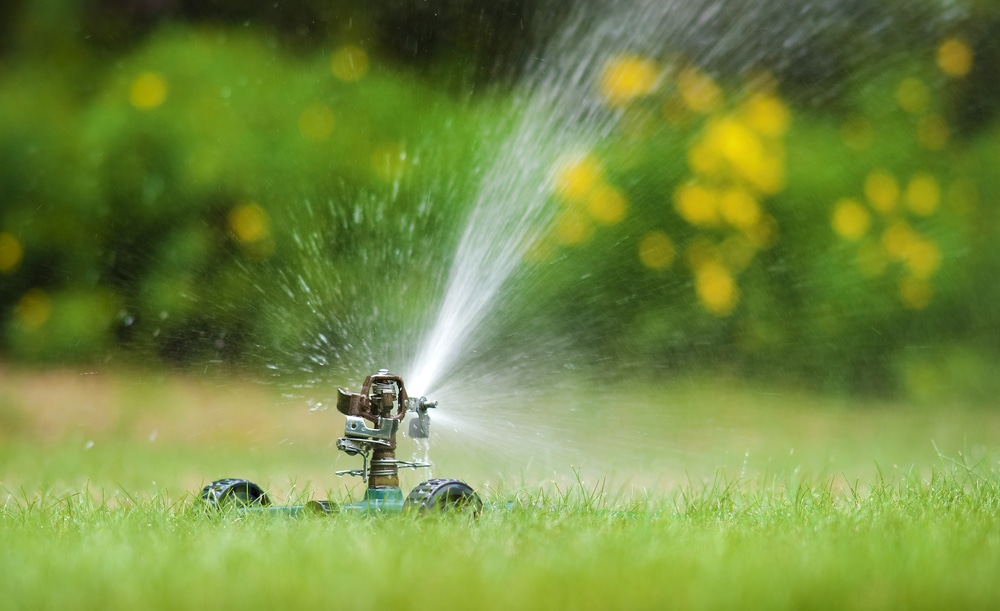
A lot of people get pulled toward the flashiest option or the system with the longest list of features. That’s not always the right move. You need a setup that matches how your yard works and how much maintenance you can realistically handle.
If you’re comparing options, focus on durability, efficiency, and serviceability. Can parts be adjusted easily? Will replacement components be easy to find? Does the controller let you fine-tune schedules by zone?
If you’re ready to invest in home sprinkler system installation, it helps to think beyond the first day of use. A proper system should reduce guesswork, support healthier plant growth, and make seasonal maintenance easier instead of creating a new household drama every spring.
Useful features to prioritize include:
– Smart controllers with seasonal adjustments
– Rain or soil moisture sensors
– Pressure-regulated sprinkler heads
– Drip zones for targeted watering
– Easy shutoff access for repairs or winterizing
A lawn system isn’t a gadget collection. It’s infrastructure for your landscape.
Know What Your Yard Actually Needs
Before you think about sprinkler heads, timers, or trench lines, take a good look at your yard. Not every lawn needs the same setup, and treating every section like it does is where trouble starts.
A front lawn in full sun drinks water faster than a shaded side yard. Sloped areas deal with runoff, while flower beds and shrubs need different watering patterns than grass. Soil matters too. Sandy soil drains quickly, while clay hangs onto water like it’s collecting souvenirs.
Start by checking:
– How much direct sun each area gets
– Whether your yard has slopes or uneven ground
– What type of soil you have
– Where grass, shrubs, and garden beds are located
– Spots where water already pools or dries out fast
This kind of yard audit gives you a realistic picture. It also keeps you from paying for a system that waters your roses like they’re a football field.
Understand the Basics of Irrigation Design
A sprinkler system is only as good as its layout. You can buy high-quality parts, but poor design will still leave you with brown patches and wasted water. Coverage has to be intentional.
Each sprinkler head has a spray radius and arc, and those need to overlap correctly. In irrigation, people often call this “head-to-head coverage.” It sounds technical, but the idea is simple: one sprinkler should reach the next one. Gaps create dry zones. Too much overlap creates mini swamps.
Pressure and flow rate also shape the design. Your home’s water supply limits how many sprinkler heads can run in a zone. Cram too many onto one line, and performance drops fast.
A solid layout usually includes:
– Separate zones for lawn and planting beds
– Rotor heads for larger grassy areas
– Spray heads for smaller spaces
– Drip irrigation for shrubs, trees, or gardens
– Placement that avoids sidewalks and driveways
Good irrigation design feels invisible when it works. Bad design announces itself every week.
Avoid the Most Common Water-Wasting Mistakes
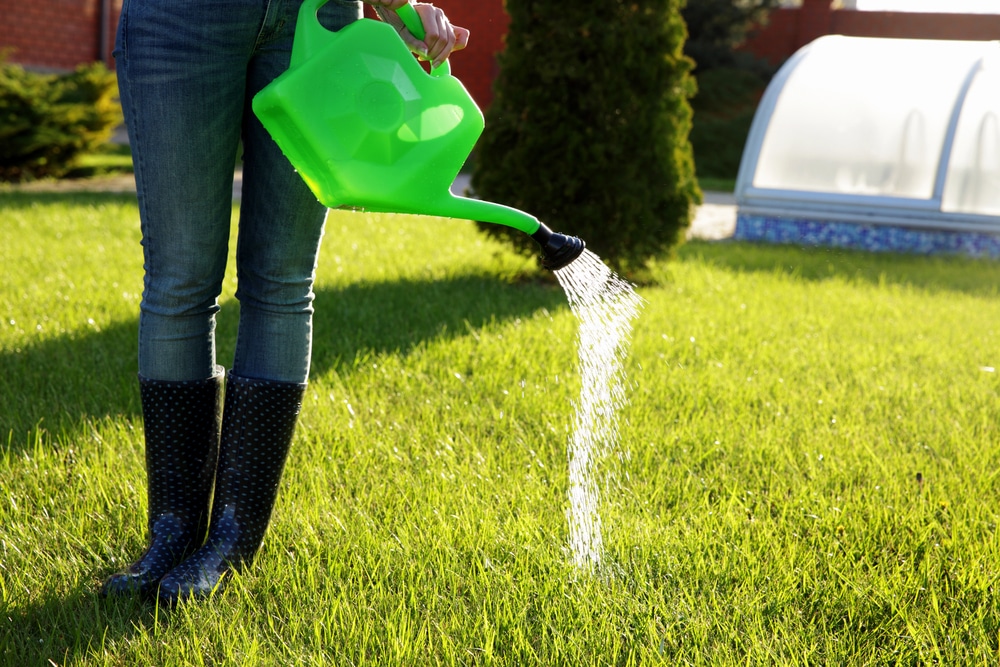
Water waste usually comes from setup issues, not from people intentionally overwatering their lawn at noon like they’re trying to steam vegetables. Small mistakes add up quickly.
One common problem is watering on a fixed schedule without adjusting for weather. Another is using the same run time for every zone, even though grass, flower beds, and shady areas all behave differently. Misaligned heads are another classic culprit. If your sprinklers are watering the sidewalk more than your lawn, that’s not efficiency. That’s performance art.
Keep an eye out for these issues:
– Sprinkler heads tilted or clogged
– Water spraying onto hard surfaces
– Zones running too long and causing runoff
– Broken seals or leaking valves
– Overspray hitting fences, walls, or windows
You should also check your watering times. Early morning is usually best because wind is lower and evaporation is reduced. Midday watering burns through water fast and delivers less to the roots, where it actually counts.
Think About Long-Term Maintenance From Day One
A sprinkler system isn’t a one-and-done project. Even a well-installed system needs occasional adjustments, inspections, and seasonal care. Planning for that upfront saves you time and money later.
Sprinkler heads can shift over time. Tree roots can interfere with pipes. Sediment can clog nozzles. Controllers may need updates after weather changes or new planting projects. None of this is unusual. It’s just part of owning an irrigation system that works in the real world.
Your basic maintenance routine should include:
– Checking heads every month during peak season
– Looking for soggy areas or unexplained dry spots
– Cleaning clogged nozzles and filters
– Updating controller schedules with the seasons
– Winterizing before freezing temperatures hit
If you add new landscaping later, your irrigation plan may need changes too. A mature shrub bed won’t need the same watering pattern it did in year one. Landscapes evolve, and your system should keep up.
Make Better Watering Decisions With Smart Controls
Smart irrigation controls can make a noticeable difference, especially if your current routine is mostly based on memory and optimism. Modern controllers let you adjust watering schedules with much more precision than old-school timers.
Some systems connect to local weather data and automatically reduce watering after rain or during cooler weeks. Others let you manage zones through an app, which is useful when you’re away or when the seasons shift faster than expected.
That said, smart features don’t replace common sense. If your layout is poor, a fancy controller won’t rescue it. Technology works best when the foundation is already solid.
When evaluating smart controls, look for:
– Zone-by-zone scheduling
– Weather-based watering adjustments
– Leak or flow monitoring features
– Easy manual override options
– User-friendly mobile access
The goal isn’t to make your lawn feel like a startup. It’s to water more accurately, waste less, and spend less time fiddling with settings.
A Well-Planned System Supports the Whole Yard
A good sprinkler system does more than keep grass green. It helps protect the time, money, and effort you put into your outdoor space. Healthier plants, fewer dry patches, less runoff, and more efficient water use all come back to smart planning.
If you approach irrigation as part of your overall landscape strategy, your decisions get better. You start thinking in zones, drainage patterns, root depth, and seasonal needs instead of simply asking how often to turn the water on.
That shift matters. A yard that gets the right amount of water tends to look better, perform better, and cost less to maintain over time. And honestly, watching your sprinklers hit the lawn instead of the driveway is a pretty satisfying upgrade. Quietly competent systems rarely get applause, but your yard will show the results every day.