Most basements end up as storage zones. Boxes stack up. Old furniture collects dust. Seasonal items sit untouched for months. Meanwhile, you walk over that space every day without using it. That unused square footage could solve problems you deal with right now.
Maybe you need a quiet place to work. Maybe you want a better spot to host friends. Maybe your family needs room to spread out. A basement glow up can give you that space without changing your address. When you rethink how you use the lower level of your home, you unlock comfort, function, and flexibility that often go unnoticed.
Start with a Clear Plan
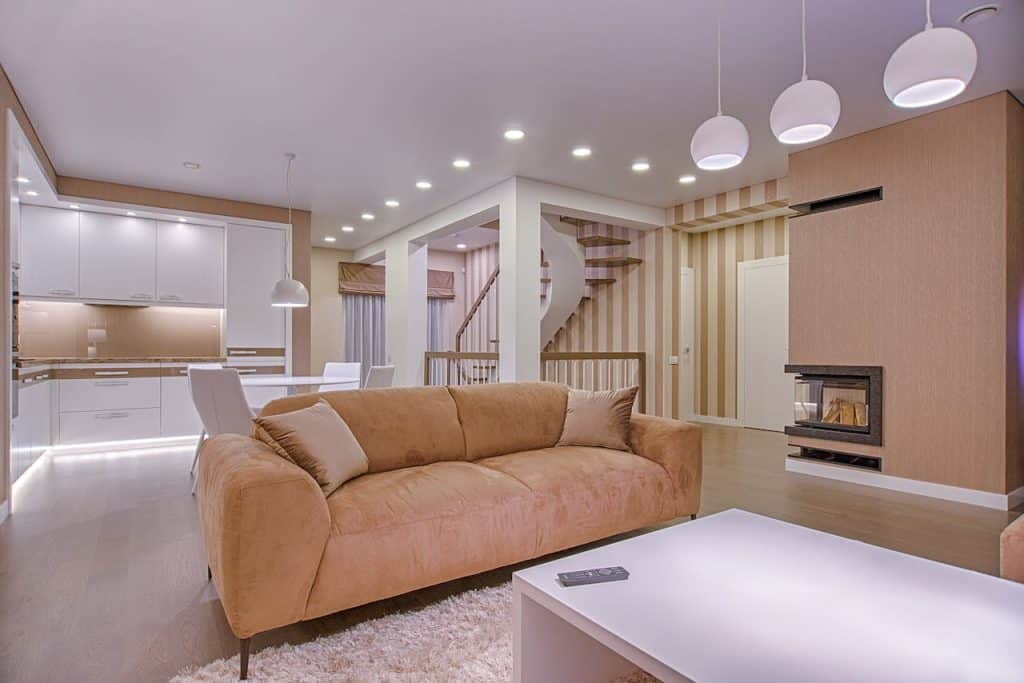
Before you pick paint colors or furniture, decide how you want to use the space. Think about your daily habits. Do you need a quiet office? A media room? A place for guests to stay overnight? When you define the purpose first, you avoid random upgrades that don’t serve you. Measure the space and consider ceiling height, windows, and existing plumbing. These details shape what makes sense for your layout. Planning also helps you set a realistic budget and timeline. When you take time to map out the function of the room, every design choice feels more intentional and practical.
Add Features That Make It Practical
A good basement remodel goes beyond looks. It should solve real problems. Adding a small bathroom saves trips upstairs during movie nights or gatherings. A built-in bar or refreshment area keeps snacks and drinks within reach. Smart storage solutions prevent clutter from creeping back in. Durable flooring handles moisture and heavy use better than standard materials. This is also where working with experienced professionals matters. Many homeowners work with top basement remodelers to ensure their project is handled professionally and built to meet safety and quality standards.
to ensure proper insulation, moisture control, and safe electrical work. When the foundation of the project is solid, the space stays comfortable and functional for years.
Bring in Light and Warmth
Basements often feel dark because they sit below ground level. Small windows and low ceilings can make the space feel closed in. You can fix that with smart lighting choices. Use a mix of ceiling lights, wall fixtures, and table lamps to remove shadows. Choose light paint colors that reflect brightness instead of absorbing it. Flooring also plays a role. Warmer tones and soft textures make the room feel inviting. If possible, enlarge window wells or add egress windows to increase natural light. When you focus on brightness and comfort, the basement stops feeling separate from the rest of your home.
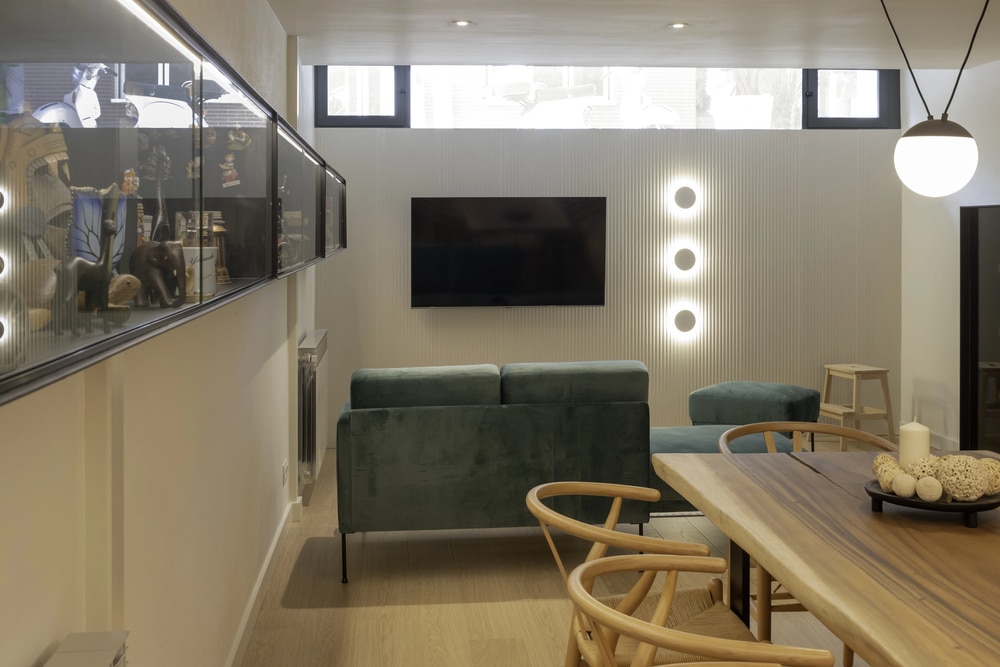
Make Comfort a Non-Negotiable
Comfort should guide every decision in a basement remodel. Basements often feel cooler than the rest of the house because they sit below ground level. Proper insulation in the walls and rim joists helps maintain steady indoor temperatures. Sealing gaps also reduces drafts and moisture problems.
If your current HVAC system reaches the basement, make sure vents and returns are balanced for even airflow. If not, consider adding a dedicated heating source that meets local building codes. Sound control also matters, especially if you plan to install a media room or play area. Adding insulation in ceilings and interior walls reduces noise transfer between floors and improves privacy.
Build Smart Storage Into the Design
A finished basement should not return to being a storage dump. Plan storage from the start so clutter does not take over again. Built-in cabinets keep items organized while maintaining a clean look. Closed storage works well for seasonal décor, tools, and keepsakes.
Open shelves can display books or games without crowding the room. If ceiling height allows, consider vertical storage to free up floor space. Use moisture-resistant materials since basements can have higher humidity levels. Avoid placing cardboard boxes directly on concrete floors. Raised shelving protects items from minor water issues and improves airflow around stored belongings.
Pay Attention to Moisture and Air Quality
Moisture control is one of the most important steps in any basement upgrade. Before finishing walls or installing flooring, check for signs of water intrusion such as stains, cracks, or musty smells. Fix foundation cracks and improve exterior drainage if needed. Install a vapor barrier where required by local code. A dehumidifier can help manage humidity levels and reduce the risk of mold growth. Proper ventilation also improves air quality. If you add a bathroom, ensure it vents to the outside. Clean air and dry surfaces protect both your investment and your health, so do not skip this step.
Know the Rules Before You Renovate
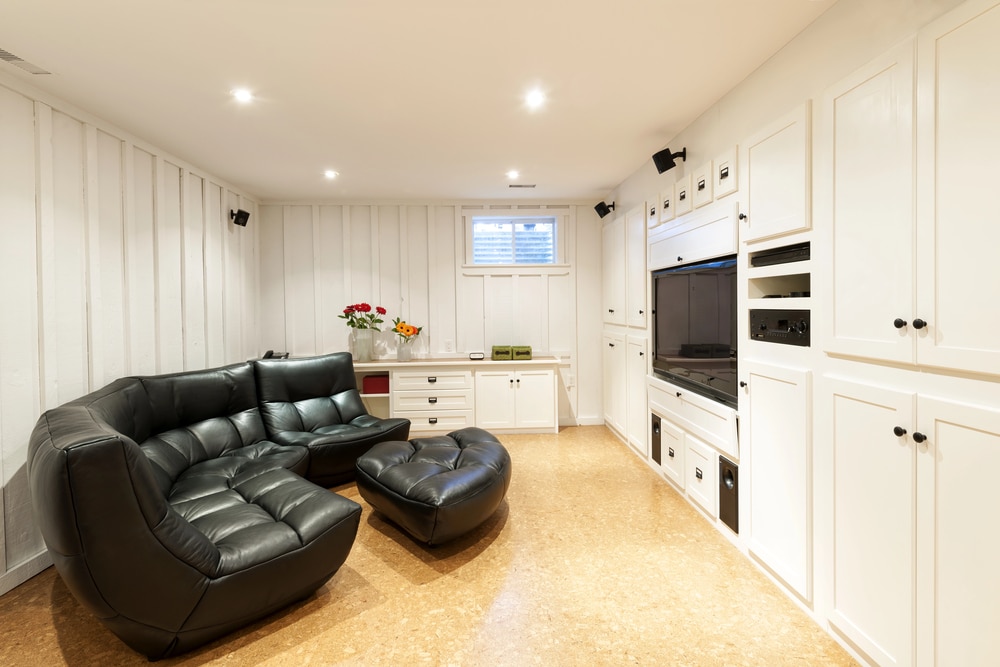
Building codes exist to keep your home safe. Before starting work, check local permit requirements for electrical, plumbing, and structural changes. Many areas require egress windows in finished basements, especially if you plan to add a bedroom. These windows provide an emergency exit and must meet size and accessibility standards. Electrical outlets and lighting must follow code to prevent hazards. Hiring licensed professionals helps ensure the work meets local regulations. Skipping permits can cause problems if you decide to sell your home later. Following the rules from the start protects your investment and avoids costly corrections.
Think Long Term About Value and Use
A basement remodel should serve you now and remain useful in the future. Choose durable materials that handle daily wear. Vinyl plank flooring, for example, resists moisture better than solid hardwood in below-grade spaces. Neutral finishes give you flexibility if your needs change. An open layout can adapt from a playroom to a home office or guest space over time. Avoid overbuilding features that limit how the room functions. Instead, focus on versatility. When you design with long-term use in mind, you create a space that grows with your household instead of becoming outdated.
A basement glow up goes beyond fresh paint and new furniture. It requires careful planning, moisture control, proper insulation, and code-compliant construction. When you address these details, you turn an underused level into a safe and comfortable part of your home. The extra space can reduce crowding upstairs, support your routines, and improve how you spend time at home. Instead of letting the basement collect dust and forgotten boxes, invest in smart upgrades that add real function. With the right design choices and attention to detail, your basement can become one of the most useful rooms in your house.