The beauty industry offers much more than many people first imagine. Hairstylists, makeup artists, and estheticians are often the most visible professionals in the field, but they are only part of a much bigger picture. As products, services, and technology continue to evolve, beauty professionals are discovering new ways to build careers that go far beyond the salon floor.
Some move into product development or brand representation. Others find opportunities in beauty media, education, or training. These roles still draw on the same core strengths, including technical knowledge, creativity, and strong communication, but they offer a wider range of ways to grow within the industry.
Traditional Beauty Careers: Where Many Professionals Begin
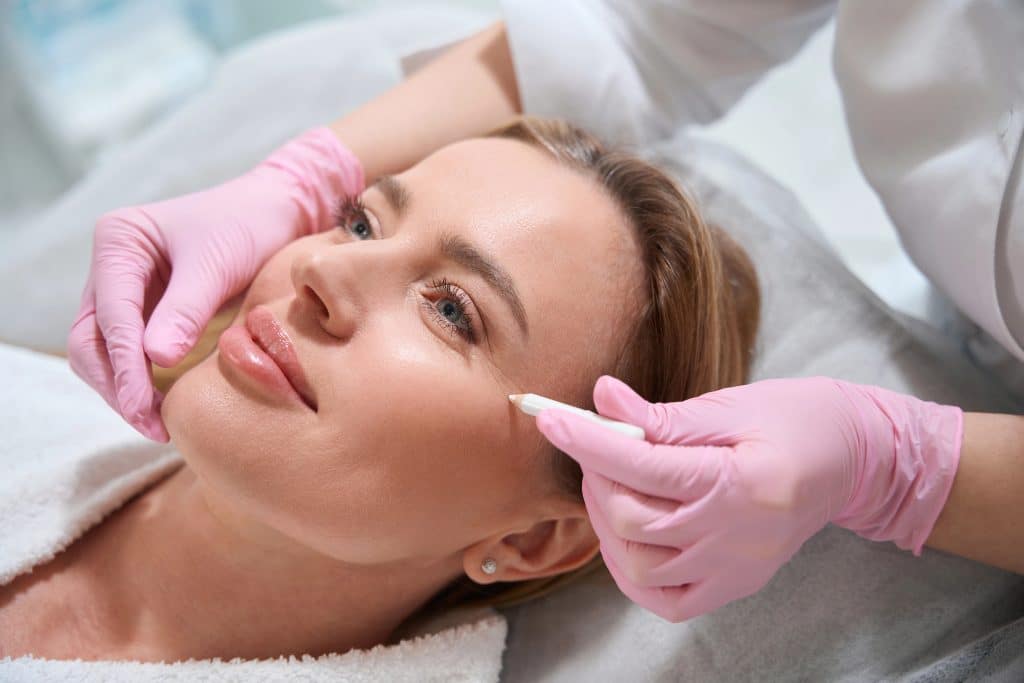
For many people, a career in beauty starts with hands-on work in hairstyling, esthetics, nail technology, or makeup artistry. These roles provide practical experience and daily client contact, helping build confidence while real industry knowledge begins to take shape.
That early experience can be incredibly valuable. Working directly with clients helps professionals understand changing trends, individual preferences, and which products and techniques perform well in everyday settings. Over time, those lessons build a stronger, more rounded understanding of the industry.
It also helps people see how different beauty careers connect. Looking at the wider field can make it easier to understand where certain roles begin and what they can lead to over time, especially for those exploring different paths in the beauty industry. As experience grows, many professionals naturally start thinking about other directions they could take within the industry.
Beauty Careers in Product Development and Brand Representation
Every successful beauty product is backed by people who understand how it performs in real life. That is part of what makes beauty professionals such a strong fit for roles in product development, testing, and brand representation after time spent working in salons or skincare settings.
With hands-on experience, they can offer insights that are difficult to teach in theory alone. Their feedback can influence formulas, packaging, application methods, and even the training materials that support a product launch. Some also move into brand educator roles, helping other professionals understand how to use products effectively and confidently.
These careers bring together practical expertise and communication skills. A brand representative, for example, may work with retailers, salon teams, and industry professionals, turning technical product knowledge into guidance that feels useful and easy to apply.
As the beauty market continues to grow, so do opportunities in innovation, marketing, and professional education, with global beauty market insights reflecting continued demand for beauty products and services across many regions.
Continuing Education Requirements Across Different States
Continuing education remains an important part of professional development for beauty educators, although expectations vary by state. Some beauty educators complete Illinois cosmetology teacher continuing education as part of staying current with classroom practices, professional standards, and the everyday demands of teaching.
Similar expectations can be found in other Midwestern states, including Indiana and Missouri, where educators may also take part in ongoing training to maintain their credentials. In larger states such as California or Texas, professional development may happen through a combination of continuing education, school-led training, or other renewal structures.
While the details differ by location, the broader purpose remains much the same. Beauty educators are expected to continue developing their skills to support and prepare new professionals entering the field.
Skills That Open Doors to More Beauty Career Opportunities
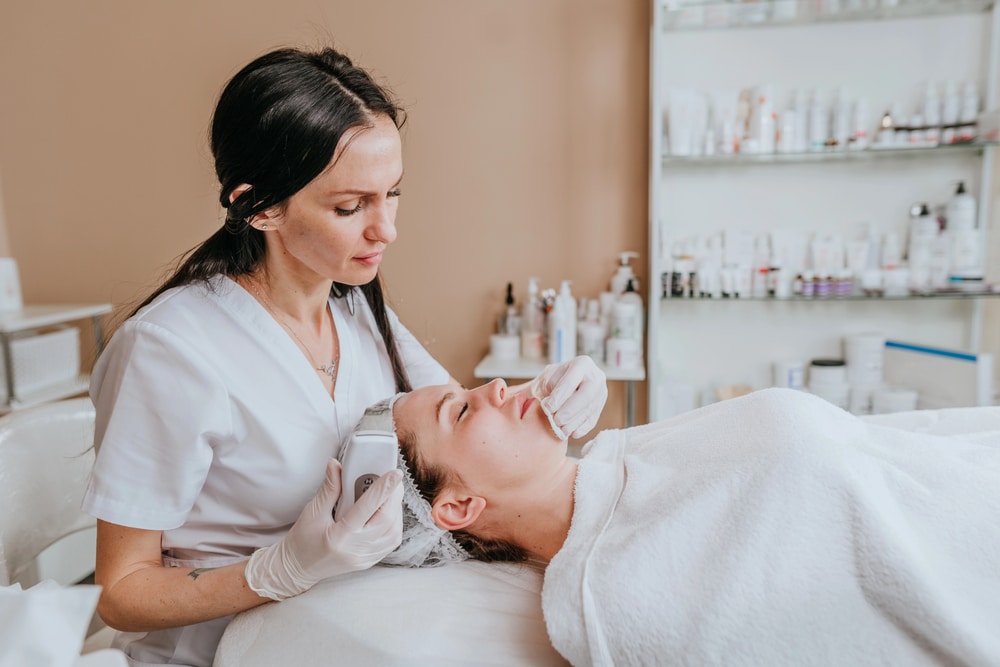
One of the most valuable aspects of a beauty career is how transferable many of the core skills can be. Professionals who begin in client-facing roles often build strengths that serve them well in a range of other positions across the industry.
Communication is one of the most important. Attention to detail matters too. Beauty professionals also learn to adapt quickly, whether they are adjusting a technique for a different hair type, responding to skin concerns, or figuring out what a client wants when they are not quite sure how to describe it. Those skills can carry over naturally into training, consulting, product development, and brand work.
Business knowledge can also widen career options. Professionals who understand scheduling, client retention, retail, and product knowledge often find it easier to step into leadership roles or work more closely with brands and educational programmes. Over time, these combined skills can help create a career that feels flexible, rewarding, and still closely tied to the beauty world.
A Career That Evolves With You
A career in beauty can lead in more directions than many people expect. Salon-based roles are still an important starting point, but they are often just the beginning. The experience gained through hands-on work can open the door to opportunities in education, consulting, media, product development, and many other areas.
As the industry continues to change, professionals with strong technical skills and a solid understanding of people, products, and trends are well-positioned to grow with it. For anyone considering a future in beauty, that range of possibilities is part of what makes the industry so appealing.