Dandruff is a scalp condition, so visible flakes reveal only part of the problem. Excess oil, irritation, itching, and an imbalanced scalp can affect how hair looks and feels between washes. A well-formulated anti-dandruff shampoo addresses those concerns while cleansing without leaving strands dry or dull. The result is a routine that supports scalp health, hair condition, and consistent care. Understanding these benefits makes product selection more practical for everyday use.
People comparing a shampoo dandruff formula should first consider what the scalp needs. A product for recurring flakes should treat the scalp rather than simply loosen visible scale. Ingredients that remove excess oil and soothe irritation support a more comfortable routine, while gentle cleansing helps preserve moisture in the hair shaft. That distinction matters when dryness and flaking occur together.
Dandruff Starts With Scalp Conditions
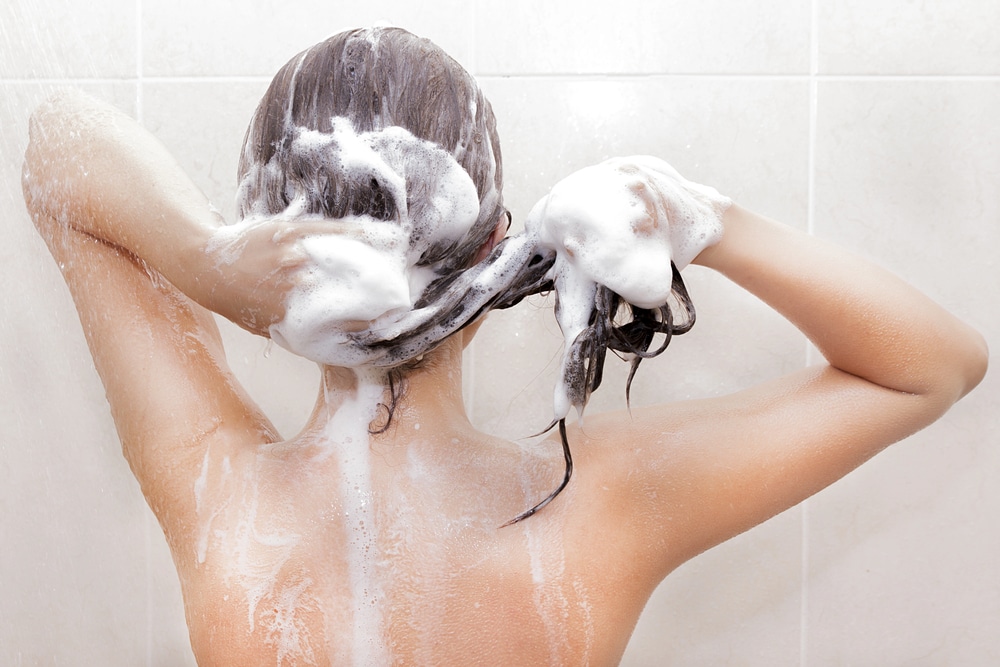
Flakes form when scalp cells shed too quickly and mix with oil. Seborrheic dermatitis can also cause redness, itching, and visible scaling. Excess oil creates a heavy feeling at the roots, making hair look less fresh soon after washing.
An effective shampoo must cleanse the scalp thoroughly without stripping the hair. Removing excess oil keeps the scalp cleaner, while balanced cleansing helps prevent roughness through the lengths. This approach addresses the conditions behind dandruff instead of treating loose scale as an isolated concern.
Why Active Ingredients Matter
Some anti-dandruff balancing shampoos use zinc pyrithione, a medicated ingredient that is scientifically proven. The formula targets dandruff and seborrheic dermatitis at the source while cleansing the scalp.
Some shampoos also contain gentle botanicals and help maintain balanced pH levels. These formulas contain no sulfates or parabens, and the product description states that it reduces breakage without stripping color or chemical treatments. Those details matter for people managing dandruff alongside dyed, processed, or moisture-sensitive hair.
Hair Benefits Depend on Scalp Care
Healthy-looking hair starts with a clean, comfortable scalp. Persistent oil, irritation, and buildup can make your roots look flat, while repeated scratching can leave the scalp more sensitive. A consistent cleansing routine creates better conditions for hair to look smoother and feel more manageable.
A shampoo with a rich lather and a pleasant fragrance, like a pure mint and warm vanilla scent, is best for regular use. Dandruff care works best when the washing routine remains consistent, while the formula should leave hair feeling strong and hydrated after use. These cosmetic benefits support regular use, which matters because dandruff care works best when the washing routine remains consistent.
How to Use the Shampoo Properly
Application affects how well an anti-dandruff shampoo works. The recommended method is straightforward:
- Massage the shampoo into a wet scalp, focusing on areas with flaking or irritation.
- Leave it on the scalp for two to three minutes.
- Rinse thoroughly.
- Use it three to four times per week, or adjust use based on scalp needs.
Keeping the shampoo on the scalp for the recommended time gives the active ingredient time to work. Applying it mainly to the scalp also limits unnecessary cleansing through the hair lengths, where dryness often becomes more noticeable.
For added conditioning, follow with a matching scalp nourishing conditioner from the roots through the mid-lengths and ends. A conditioner supports softness after cleansing, especially when hair feels dry or chemically treated.
Look Beyond Flakes When Choosing

A suitable shampoo should match the full scalp concern. Someone with oily roots and recurring flakes needs oil control alongside flake care. Someone with dry hair needs cleansing that treats the scalp without leaving the lengths brittle.
Product claims also deserve close attention. Look for clear information that states that the shampoo is dermatologist-tested and that visible results can appear in as little as two washes. Individual scalp needs still determine how often the formula should be used.
A practical routine tracks itching, oil, flaking, and hair texture over several washes. If severe irritation continues, spreads, or fails to improve, a dermatologist can assess whether seborrheic dermatitis or another scalp condition requires medical care.
Choosing and Using the Right Anti-Dandruff Shampoo
The right anti-dandruff shampoo treats the scalp while protecting the condition of the hair. Shampoos with ingredients such as zinc pyrithione address dandruff, gentle cleansing removes excess oil, and sulfate-free care limits unnecessary dryness. Application matters as much as ingredient selection, so the shampoo should remain on the scalp for two to three minutes before rinsing. The next step is to follow the recommended schedule and monitor flakes, itching, oil, and hair texture over several washes.